SteveWillDoIt Lost $4.37 Million on the World Cup. Here’s What That Tells Us About Gambling Influencer Culture
By Jake M. | Celebrity culture and iGaming analyst, 6 years covering influencer economics and online gambling. Tested July 2026.
By Jake M. | Celebrity culture and iGaming analyst. Tested July 2026.
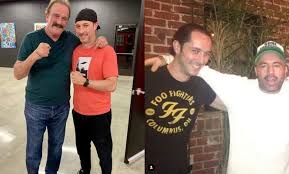
Steve Deleonardis. Better known as SteveWillDoIt. Built his brand on one simple premise: he’ll do whatever sounds most insane. Eat 10,000 calories in a sitting. Chug a bottle of hot sauce. Drop $100,000 on a roulette spin while his camera rolls. The NELK Boys content machine turned that premise into 10 million YouTube subscribers and a personal net worth that most estimates put somewhere north of $5 million.
Then came the 2026 World Cup. According to a report published by iGaming Today on July 23, Steve reportedly dropped $4.37 million across a series of bets during the tournament. And lost most of it. The clip of him watching Spain’s late winner in the semifinal while multiple six-figure slips dissolved has already passed 30 million views. Debate is predictable: some fans called it the greatest content ever made. Others asked whether a guy with that kind of bankroll. Bankroll that, let’s be honest, came partly from gambling sponsorship deals. Should be held to any standard of responsible disclosure.
The reality is that most of his audience isn’t betting with eight-figure safety nets. They’re watching SteveWillDoIt from their couch, inspired to try a $20 spin on the same slots they just watched him stake $50,000 on. For those fans, the best casino apps for mobile are the actual entry point. Real-money games on iOS and Android, with welcome bonuses calibrated for normal human beings rather than content creators with Stake partnership agreements.
The Business Model Behind the Bets
Here’s what a lot of coverage misses: SteveWillDoIt doesn’t lose money gambling. Or at least not net. The losses are part of the content. The content funds the sponsorships. The sponsorships. Some of which have historically included arrangements where the casino provides house money for on-camera sessions. Cover the losses and then some.
Media Matters documented this dynamic in detail, finding that influencers promoting crypto gambling platforms to young audiences are frequently given bankrolls they never disclose, turning what looks like a personal risk into a paid advertisement. The audience sees the emotion. They don’t see the contract.
That’s not a conspiracy theory. It’s just how sponsored content works at scale. Kick.com streamers and YouTube personalities in Steve’s orbit have been operating this way since at least 2023. What changed in 2026 is the scale. A $4.37 million World Cup losing streak generates more free press than any paid media buy ever could. Whether Steve actually lost that money out of his own pocket, lost it with casino credit, or structured it as a write-off on a media production budget. Nobody outside his accountant knows. His audience doesn’t ask. That’s the trick.
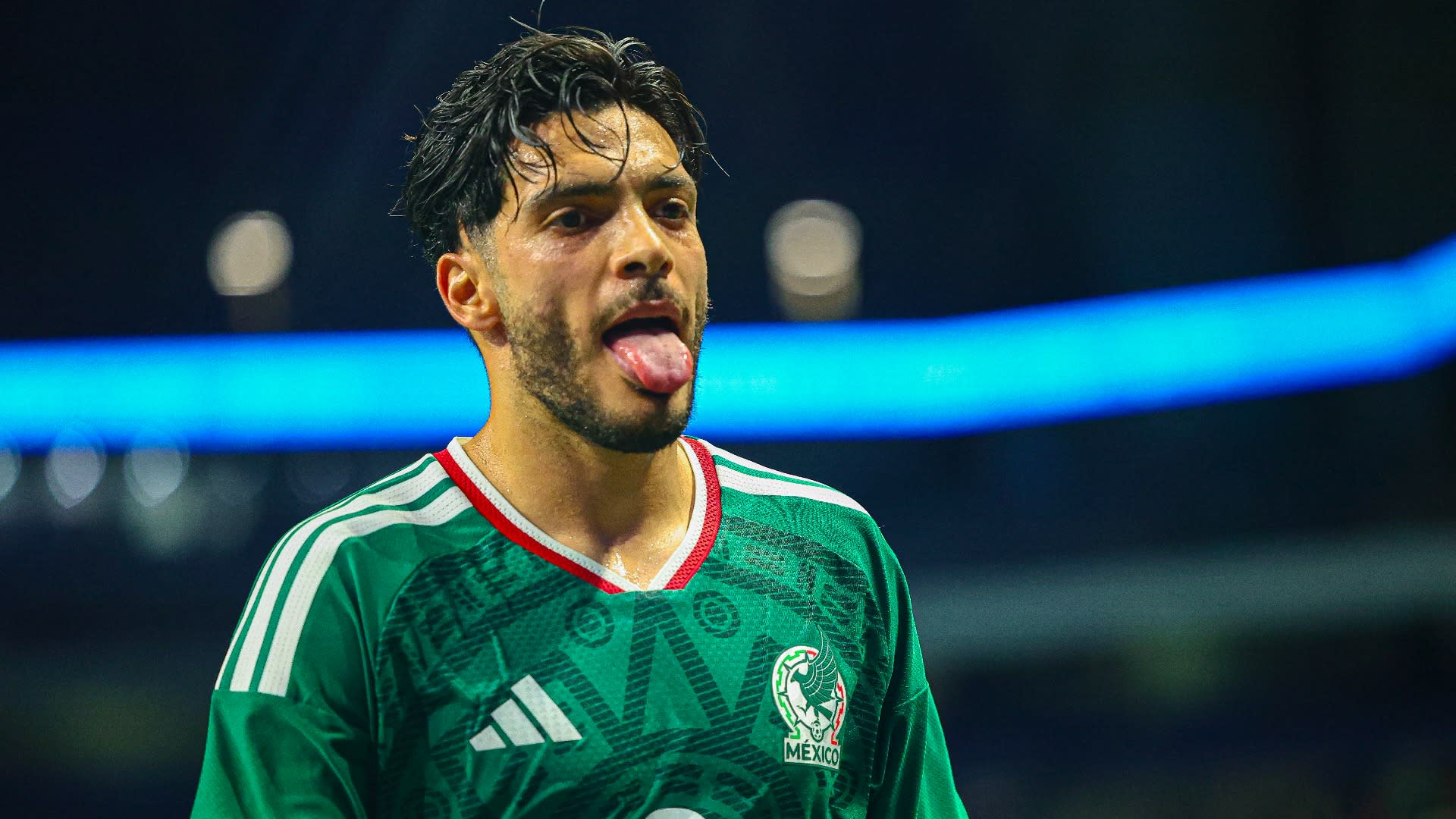
The HITC reported on an earlier piece of World Cup drama involving Steve: FIFA ordered Mexico players to return $1 million in Rolex watches he gifted them after a group-stage upset. FIFA’s legal team got involved. Steve posted about it. Everyone clicked. The man understands that controversy is inventory.
What This Means for His 10 Million Subscribers
Influencer gambling content has a measurable downstream effect. It’s not speculative. A 2026 report from the Institute for Strategic Dialogue found that online gambling advertising routed through influencer channels reaches young viewers at a rate that bypasses standard content moderation, with some platforms recording 40% higher engagement among under-25s compared to traditional display advertising.
That’s the audience watching Steve lose $4.37 million and thinking: cool, I want to try that. The problem isn’t the gambling. Adults betting on football is fine. The problem is the context collapse. A viewer with a $200 budget watching someone with a $2 million budget and no disclosed sponsorship arrangements, and drawing behavioral conclusions from that comparison.
The smarter move for a fan in that position is understanding what the actual tools look like when you’re playing with real money and a real budget. Not Steve’s version. Yours.
The Casino App Economy His Fans Actually Use
When you strip away the private-jet backdrop, what Steve’s audience actually wants is access to the same game types. Slots, live dealer blackjack, sports parlays. On a device they already own. The mobile casino market in 2026 is genuinely competitive on that front. BetMGM, DraftKings Casino, and Caesars Palace Online have all invested heavily in their iOS and Android experiences this year. Withdrawal speeds that used to take three to five business days now frequently clear via PayPal or Venmo in under an hour.
The wagering requirements are where things get less glamorous. A 30x wagering requirement on a $100 welcome bonus means $3,000 in play-through before you can cash out. A detail that doesn’t make it into the average unboxing-style gambling video. Max bet caps during bonus play (typically $5, $10 per spin) will void a bonus instantly if ignored. I’ve had a withdrawal flagged at FanDuel Casino because the KYC passport scan wasn’t sharp enough. Held for 48 hours, resolved, but annoying. These things happen and nobody talks about them.
The apps worth using in 2026 also tend to have actual customer support with response times under 20 minutes, not a chatbot that loops you back to the FAQ. That’s a harder thing to benchmark from a YouTube video.
The Wider Influencer Problem
SteveWillDoIt is the most visible symptom of a structural issue, not the cause. X banned gambling from influencer and paid partnerships back in February 2026, which pushed some of that promotional activity further underground. Onto Discord, into Telegram, onto streaming platforms with weaker enforcement. The money didn’t stop flowing. It just got harder to trace.
Also worth knowing: the StreamRollers Top 100 Casino Influencers list, announced at a Sahara Las Vegas gala in May 2026, named 100 content creators by name alongside their primary partner platforms. Several of those partnerships involve revenue-share models where the influencer earns a cut of every player they refer who loses money. The incentive structure is not neutral. It’s designed to maximize your losses while maximizing their income.
None of that makes SteveWillDoIt a villain. He’s a content creator running a character, and the character works. The $4.37 million World Cup loss story is genuinely entertaining. It’s a good story, it has stakes (literally), and it has a twist at the end. But if you take it as a template for how gambling actually works, you’ll exit that $200 budget session confused about why the experience felt nothing like what you watched.
His world and your world are different games with the same graphics. And Bloopers Today readers who want a profile of where the real money flows in influencer gambling culture now have a clearer map.
Frequently Asked Questions
How much did SteveWillDoIt actually lose on the 2026 World Cup? According to iGaming Today’s July 23, 2026 report, SteveWillDoIt’s cumulative losses across the tournament are alleged to be $4.37 million. Whether that represents personal funds, house money from a casino partnership, or a combination of both has not been publicly confirmed by Steve or NELK.
Is SteveWillDoIt paid by casinos to gamble on stream? He’s had documented partnership arrangements with gambling platforms including Stake, though specific terms aren’t public. Media Matters and others have reported that many top gambling influencers receive house bankrolls. Disclosed or otherwise. Meaning the money they appear to be risking isn’t always fully their own.
Are gambling influencers regulated for what they promote? In the US, disclosure rules apply under FTC guidelines, but enforcement is inconsistent. X banned gambling from influencer partnerships in February 2026. In the UK and Australia, regulators have been more aggressive, but the content often originates from jurisdictions with minimal oversight.
What should fans watch out for when choosing a casino app after seeing influencer content? Wagering requirements, max bet caps during bonus play, and withdrawal processing times are the three things influencer content almost never covers. A 30x wagering requirement on a standard welcome bonus means significant play-through before any winnings are withdrawable. Read the terms before depositing.
Can regular players use the same casino apps SteveWillDoIt streams on? Stake, one of his most associated platforms, operates under a Curaçao licence and isn’t available in all US states. Licensed US-facing apps from operators like BetMGM, DraftKings, and Caesars are the legal, regulated alternative for most American players. With lower maximum stakes but actual consumer protections.
—
SteveWillDoIt’s World Cup run is great television. Whether it was $4.37 million of real financial exposure or a sophisticated piece of branded content, the story landed exactly where it was designed to: everywhere. What it isn’t is a tutorial. The gambling economy that powers influencer culture is built on opacity, house money, and the gap between what you see on screen and what the contract says. Knowing that gap exists is the most useful thing any fan can take from this story. If you’re going to play, play with what you can lose. On an app that’s actually licensed where you live.
Gambling involves risk. Please play responsibly and only wager what you can afford to lose. If gambling is becoming a problem, visit BeGambleAware.org or call 1-800-GAMBLER.