Play, Share, Belong: Why Video Games Are Becoming a Core of Digital Culture
Video games used to be treated like a side hobby, something separate from “real” culture. That line no longer holds. Games now shape how people talk, how communities form, how music trends spread, and how stories get told online. A game can launch a meme in an afternoon, inspire fashion in a week, and influence language for years. Digital culture moves fast, and games have become one of its strongest engines.
Activity trackers such as slimking reflect this shift whenever a major update drops and the ripple spreads beyond the game itself into streams, clips, reaction videos, fan art, and forums. The play session ends, but the cultural loop continues, because games are built to be shared.
Games Became the New Social Space
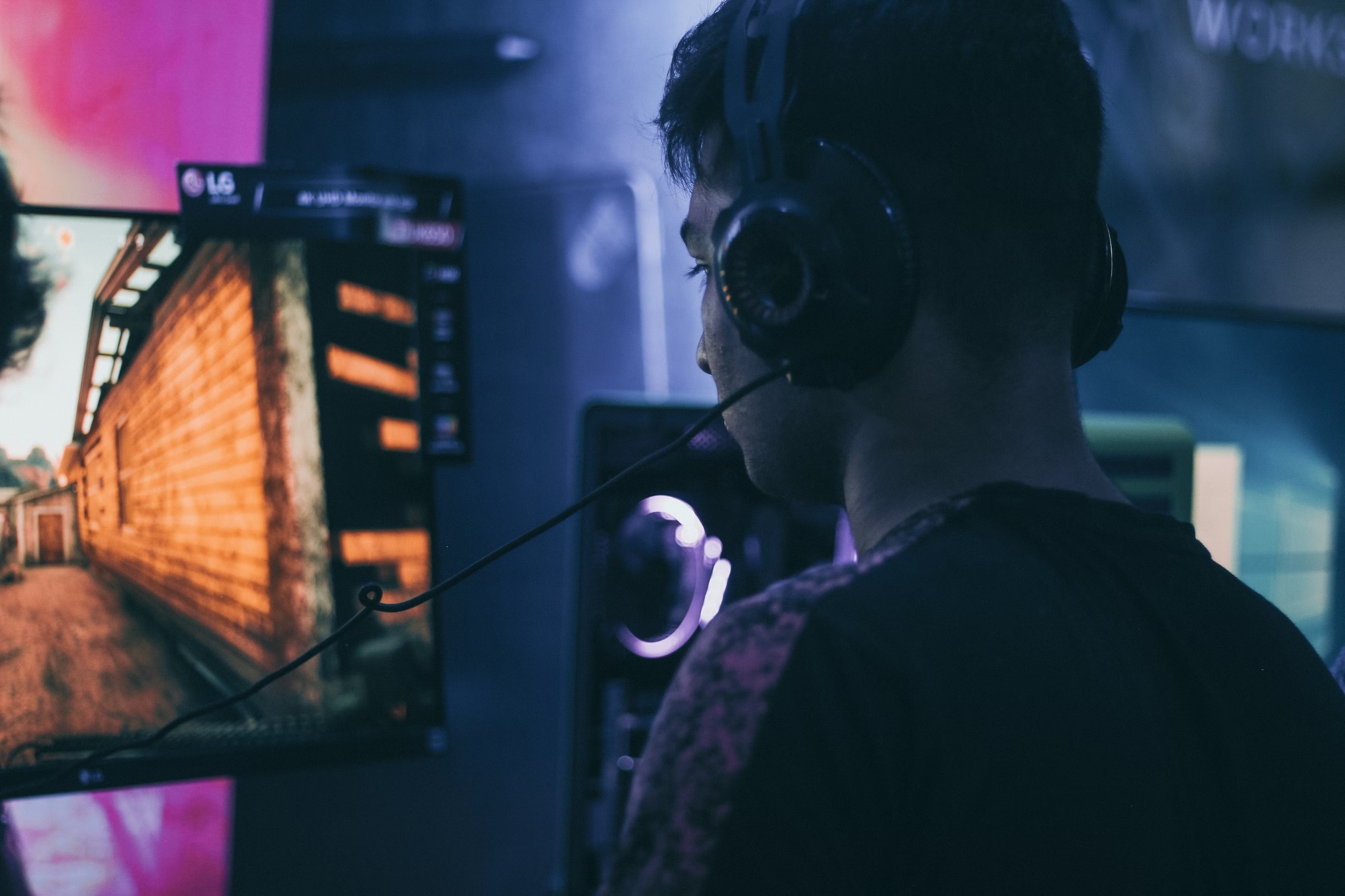
A big reason for gaming’s cultural rise is simple: games are where people meet. Chat apps and social feeds are still important, but games offer something extra. They give shared goals, shared rules, and shared moments that feel earned. A win in a co-op raid or a ridiculous failure in a party game becomes a story that friends retell like a real-life memory.
Online multiplayer also replaced many older “third places,” the casual hangout spaces that used to exist in neighborhoods and schools. For many groups, a lobby is now the regular meeting room. This matters culturally, because shared spaces create shared norms, slang, humor, and identity.
Why Games Fit Modern Social Life So Well
- Built-In Interaction
Voice chat, emotes, and quick pings make communication easy without switching apps. - Shared Challenges
A match or mission creates common focus, reducing awkward small talk. - Low-Pressure Togetherness
Hanging out while playing lets friendships exist without forced conversation. - Cross-Border Community
Friends can live in different countries and still share routine moments nightly.
Games are not just entertainment. They are social infrastructure.
Stories Now Travel Through Gameplay
Games influence culture because they generate stories in two ways. First, they deliver authored narratives like films do. Second, they produce emergent stories through player behavior: a clutch comeback, a betrayal in a social deduction round, an unexpected glitch that becomes a running joke. These moments spread because they are easy to clip and impossible to fake. They feel real.
This also changes how people understand storytelling. Modern audiences now expect agency. Choices, branching dialogues, multiple endings, and character customization train people to think of story as something that reacts. That expectation leaks into other media, shaping how viewers judge films, series, and even music videos.
The Creator Economy Runs on Games
Streaming, short clips, and live commentary turned games into a stage. A single title can support thousands of creators who build careers on skill, humor, analysis, or roleplay. That creator layer becomes part of the product. It extends a game’s lifespan and turns gameplay moments into a constant flow of cultural content.
Brands noticed. Music artists premiere songs inside virtual events. Fashion labels drop digital skins. Sports teams collaborate with esports organizations. The logic is clear: games are where attention lives, and attention is the currency of digital culture.
read more : How Does the North Hykeham Weather Update Help with Air Transport Planning?
Cultural Reasons Games Keep Growing
- Meme Production
Catchphrases, emotes, and funny failures translate perfectly into internet humor. - Fan Creativity
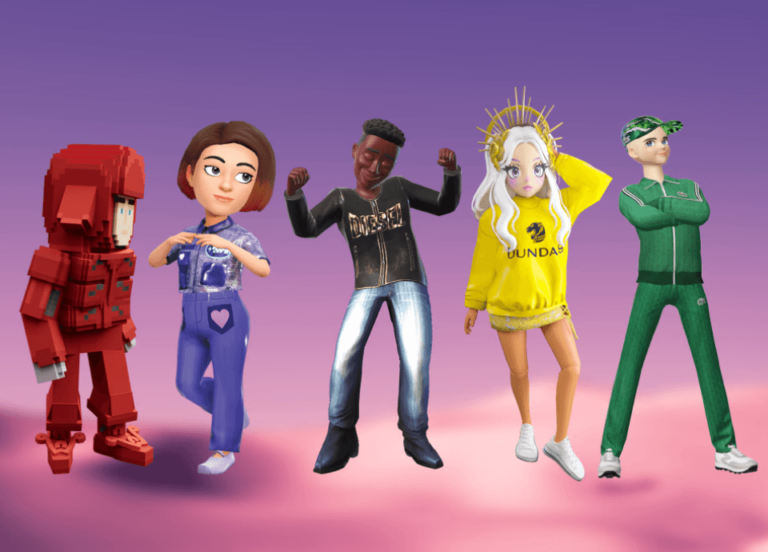
Mods, fan art, cosplay, and machinima expand worlds beyond official content. - Digital Identity
Avatars and cosmetics let people express taste and belonging in public spaces. - Shared Rituals
Seasonal events, launch nights, and tournament finals become recurring cultural moments.
The result is a feedback loop where players create culture, culture attracts new players, and the cycle repeats.
Games Are Becoming a Global Language
Games cut across language barriers. A victory dance, a ping on a map, or a simple “GG” communicates meaning fast. This universality helps games spread globally and blend cultures in ways older media struggled to do at scale. Local communities still add flavor through slang and regional trends, but the core interactions remain widely understood.
Mobile gaming accelerates this even further. When a phone becomes a console, access expands dramatically. More access means more voices, more styles, and more cultural influence.
Conclusion
Video games are becoming a major part of digital culture because they combine social space, storytelling, creativity, and identity into one interactive format. They are not only consumed, they are lived, shared, and remixed. Every update creates new rituals. Every multiplayer match creates stories. Every creator stream turns play into public culture.
This momentum is likely to grow. As cloud gaming, AR features, and smarter personalization tools spread, games will become even more embedded in daily digital life. The strongest cultural platforms are the ones that let people participate instead of just watch. Games do that better than almost any medium, and that is why they are now one of the main languages of the internet.