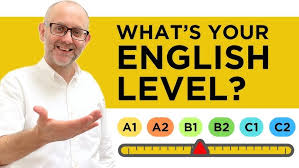
B1 Or B2? How To Pinpoint Your English Level
Many learners get stuck at a stage where conversation flows easily, but complexity can trip them up, leaving them uncertain whether they belong at B1 or B2 on the CEFR scale. Both stages may differ slightly; however, they matter for university applications, job interviews, and the personal goals you set for yourself. If you want to gauge your English proficiency without guesswork, it is important to understand what separates intermediate from upper-intermediate levels.
The Difference Between the Two Levels
B1 indicates independence. It allows you to navigate familiar situations, voice opinions, and travel comfortably in an English-speaking region. B2 indicates composure under pressure. It means you no longer translate silently in your head. Rather, you respond, argue your point, and elaborate more naturally. In short, B1 is about coping confidently, whereas B2 is about communicating effortlessly.
Signs You Are Still at B1
You likely belong to the intermediate tier if the following is true:
- You understand the main points of clear speech but lose the thread when topics turn abstract.
- You can describe experiences, ambitions, and plans, though you lean on simple connectors.
- Rapid native conversation occasionally overwhelms you, especially when idioms or slang appear.
- Writing short emails is manageable, but longer texts demand effort and repetition.
Signs You Have Reached B2
You have probably crossed into upper-intermediate territory when these statements ring true:
- You grasp complex texts on both concrete and abstract subjects, including discussions within your field.
- You interact with native speakers without straining either party.
- You build detailed arguments, weighing advantages and disadvantages with ease.
- Idiomatic expressions feel less like obstacles and more like instruments you can wield.
The Stage That Defies Easy Labels
Most learners do not wake up one morning transformed from B1 to B2. Your listening might be upper-intermediate while your writing trails behind. This imbalance is normal and explains why self-assessment alone often misleads. An awkward conversation can convince you that you have regressed, while one fluent exchange can inflate your confidence unrealistically. Thus, a trustworthy verdict requires a structured benchmark.
How to Confirm Where You Stand
Objective evaluation is invaluable here. Platforms such as Testizer offer a free online English test that maps your results onto the CEFR framework, delivering a clear answer in twenty minutes. Instead of agonising over whether your skills qualify as B1 or B2, you answer twenty-five carefully designed questions and receive an immediate, computer-processed score that strips away human bias.
What makes the approach useful:
- Results span the full ladder from A1 to C2, so you see where you land.
- You may retake the assessment until your performance mirrors your true ability.
- An optional certificate, bearing a unique number and a QR code, lets employers or universities confirm its authenticity.
- The questions were devised by specialists holding linguistics degrees, lending the outcome real credibility.
Turning Knowledge into Progress
Knowing whether you are B1 or B2 allows you to set study plans with a focus. B1 learners benefit from expanding vocabulary, mastering linking words, and immersing themselves in authentic media. B2 learners should pursue precision, refining tone, register, and the delicate shades of meaning that separate good English from polished English.
Pinpointing your level is never about pinning a label on yourself. It is about charting the shortest route forward. Identify where you stand today, measure it honestly, and let this clarity steer the next chapter of your learning journey.