Understanding the Value of Open Box Espresso Machines in Commercial Setups
Margins in coffee businesses are tighter than ever. Equipment costs, rising rent, and staffing challenges make every purchase decision feel high stakes. Choosing the wrong espresso machine can slow service, increase maintenance costs, and impact drink consistency during peak hours.
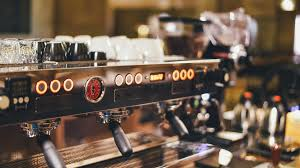
That’s why many café owners and operators are reconsidering the “brand-new only” mindset. A well-sourced open box espresso machine is no longer seen as a compromise, it’s becoming a practical way to access commercial-grade performance without stretching budgets too far.
This guide breaks down what open box machines really offer in commercial setups. You’ll see how they impact workflow, ROI, reliability, and when they make sense for your business.
What Are Open Box Espresso Machines in a Commercial Context?
Open box machines in commercial settings are often closer to “like-new” than most buyers expect. These are not heavily used units but machines that were opened, tested, or displayed without entering full production environments.
Unlike typical retail returns, commercial machines are built for durability and undergo strict checks before resale. This makes them a distinct category from used or refurbished equipment.
Typical Sources of Open Box Machines
Most open box machines come from controlled environments rather than active café floors. This significantly reduces wear and uncertainty for buyers.
- Distributor returns from canceled projects
- Trade show demos or showroom display units
- Overstock or shipping-related packaging issues
These sources mean the machine may have minimal usage but remains mechanically sound and close to factory condition.
Condition Expectations vs Reality
There’s often a gap between perception and reality when it comes to open box machines. Many buyers expect hidden wear, but the reality is often different.
- Cosmetic marks may exist, but internal components are intact
- Machines are tested for pressure, temperature, and output consistency
- Warranty varies, but many sellers offer coverage or service support
For most commercial buyers, performance matters more than appearance—and open box units usually deliver on that front.
Why Commercial Setups Are Actively Considering Open Box Equipment
Operators are under pressure to balance quality with cost. Equipment is one of the largest upfront expenses, and tying too much capital into machines can limit flexibility elsewhere.
Open box machines allow businesses to maintain quality standards while managing cash flow more effectively. This is especially important for growing brands or multi-location operators.
- Budget Optimization Without Compromising Output
Cost savings are the first benefit, but the real value lies in how that saved capital is used.
- Access premium machines at a lower price point
- Allocate budget toward better grinders, training, or beans
- Maintain drink consistency without cutting corners
For café owners, this means delivering quality without sacrificing other operational priorities.
- Faster Setup for New Locations
Speed matters when opening or expanding locations. Delays in equipment delivery can push back launch dates and increase costs.
- Open box machines are often available immediately
- Avoid long lead times associated with new orders
- Reduce downtime during expansion
This helps businesses move faster and start generating revenue sooner.
The Real Financial Value: Beyond the Initial Discount
The value of an open box machine goes beyond upfront savings. Smart operators evaluate equipment based on lifecycle cost, not just purchase price.
This includes maintenance, depreciation, and how quickly the machine contributes to revenue.
- Upfront Savings vs Long-Term ROI
Lower initial cost directly impacts how quickly a machine pays for itself.
- Reduced capital investment improves cash flow
- Faster break-even for new cafés or upgrades
- Lower financial risk during the early months
For businesses testing a new location, this can make a significant difference.
- Depreciation Advantage
New machines lose value quickly after installation. Open box machines reduce this initial drop.
- Lower starting price means less depreciation impact
- Easier resale if upgrading later
- More stable asset value over time
This is especially useful for operators who rotate or upgrade equipment regularly.
- Opportunity Cost Savings
Every dollar saved on equipment can be redirected to growth areas.
- Invest in marketing or customer acquisition
- Expand menu offerings or improve ingredients
- Purchase backup equipment to avoid downtime
This shifts the focus from cost-cutting to revenue generation.
Performance and Reliability in High-Volume Environments
The biggest concern for commercial buyers is whether an open-box machine can handle daily demand. In most cases, the answer depends on testing and machine type—not its “open box” label.
Commercial espresso machines are built for heavy use, and open box units often retain that full capability.
Pre-Sale Inspection and Testing Protocols
Reliable sellers follow strict testing procedures before listing machines.
- Pressure and temperature stability checks
- Pump performance and flow rate testing
- Steam power validation for milk-heavy menus
These checks ensure the machine performs as expected during service hours.
Component Lifespan in Commercial Machines
Key components in commercial machines are designed for longevity.
- Boilers and group heads built for continuous use
- Pumps rated for high daily output
- Minimal wear in demo or returned units
In many cases, the machine has barely used its operational lifespan.
Risk Factors and How to Mitigate Them
Open box machines are not risk-free. However, most risks can be managed with the right buying approach.
The key is to focus on supplier reliability and clear product information rather than chasing the lowest price.
- Warranty and Support Gaps
Not all open-box machines come with full manufacturer warranties.
- Some include limited or seller-backed warranties
- Service availability may vary
- Access to parts is critical for long-term use
Buyers should always confirm support options before purchase.
- Hidden Wear or Missing Components
Incomplete listings can lead to surprises after delivery.
- Check for missing accessories or parts
- Review detailed photos and condition notes
- Ask for inspection reports if available
Clarity upfront prevents unexpected costs later.
- Compatibility and Installation Risks
Commercial machines require proper setup to perform well.
- Verify voltage and power requirements
- Ensure plumbing and water filtration compatibility
- Confirm available space and ventilation
Incorrect installation can impact both performance and lifespan.
Procurement Strategy: How to Buy Open Box the Right Way
Buying an open-box espresso machine should follow the same discipline as any major equipment investment. Treat it as a strategic decision, not a quick deal.
A structured approach helps reduce risk and ensures the machine fits your operational needs.
- Vendor Credibility and Transparency
The seller plays a major role in the quality of your purchase.
- Choose suppliers specializing in coffee equipment
- Look for clear condition grading and testing details
- Avoid listings with vague descriptions or limited information
Reliable vendors provide clarity and support throughout the process.
- Inspection Checklists for Buyers
A simple checklist can help evaluate any open box machine.
- External condition and visible wear
- Internal testing results and calibration
- Included accessories and documentation
Asking the right questions helps you avoid costly mistakes.
- When to Choose Open Box vs New
An open box is not always the best option. The choice depends on your business stage and needs.
- Ideal for startups or expansion phases
- Suitable for backup machines in busy cafés
- New machines may be better for highly customized setups
Matching the machine to your use case is key.
Use Cases Where Open Box Machines Deliver Maximum Value
Not every business benefits equally from open box equipment. Certain scenarios offer a much stronger return on investment.
Understanding these use cases helps operators make smarter decisions.
- New Café Launches with Budget Constraints
Startups often need to balance quality with limited capital.
- Invest in reliable equipment without overspending
- Allocate funds to branding and customer experience
- Reduce financial pressure during initial months
This improves chances of long-term success.
- Multi-Location Expansion
Scaling businesses need consistency across locations.
- Standardize equipment while managing costs
- Equip multiple outlets without large capital spikes
- Maintain consistent drink quality across locations
Open box machines make expansion more manageable.
- Backup or Secondary Machines
Downtime can disrupt service and reduce revenue.
- Keep a secondary machine ready for emergencies
- Use for training or low-volume periods
- Reduce dependency on a single unit
This adds operational stability to busy cafés.
Sustainability and Operational Efficiency Benefits
Sustainability is becoming more relevant in purchasing decisions. Open box machines contribute by extending the lifecycle of high-quality equipment.
For many businesses, this also supports brand positioning.
- Reducing Equipment Waste
Commercial machines are built to last, and open box resale keeps them in use.
- Prevents unnecessary disposal of functional machines
- Maximizes value from existing manufacturing resources
- Supports more responsible equipment usage
This aligns with long-term sustainability goals.
- Aligning with Eco-Conscious Branding
Customers are increasingly aware of business practices.
- Using pre-owned equipment can support eco-friendly messaging
- Shows commitment to reducing waste
- Adds a practical sustainability angle to your brand story
This can resonate with a growing segment of customers.
Future Trends: How Open Box Equipment Fits into Modern Coffee Business Models
Procurement strategies are shifting toward smarter, data-backed decisions. Businesses are focusing on performance and ROI rather than defaulting to new equipment.
Open box machines are becoming part of this shift.
- Growth of Circular Economy in Coffee Equipment
The idea of reusing and redistributing equipment is gaining traction.
- More businesses are accepting non-new equipment
- Suppliers are improving testing and resale processes
- Equipment lifecycle management is becoming more structured
This creates a more efficient supply chain.
- Data-Driven Purchasing Decisions
Operators are tracking performance and cost more closely.
- Focus on utilization rates and output efficiency
- Compare lifecycle cost instead of just purchase price
- Make decisions based on measurable outcomes
This approach supports better long-term planning.
Conclusion
An open box espresso machine is no longer just a budget option, it’s a practical, performance-driven choice for many commercial setups. When sourced carefully, these machines deliver the same consistency, speed, and reliability expected in busy café environments.
The real value comes from aligning the purchase with your operational needs. Whether you’re opening a new café, expanding locations, or adding a backup unit, open box equipment can reduce costs while maintaining quality.
Focus on supplier credibility, testing standards, and long-term support. When those factors are in place, the decision becomes less about condition and more about overall business value.